kapital.kz,
02 марта 2023
в 09:36

Фото: МИИР РКМинистр индустрии и инфраструктурного развития Марат Карабаев встретился с заместителем генерального директора китайской металлургической компании China Nonferrous Metals Mining (Group) Co., Ltd. с господином Лю Юй. Стороны обсудили вопросы сотрудничества по инвестиционному проекту медеплавильного завода в Казахстане, сообщает пресс-служба Министерства индустрии и инфраструктурного развития.
Радио "Азаттык",
02 марта 2023
в 00:53
Экологическая общественность Казахстана требует от правительства наложить мораторий на проект по строительству АЭС, который власти наметили в посёлке Улькен Алматинской области. Активисты Ассоциации «Экофорум Казахстана», которая объединяет более 40 неправительственных организаций во всех регионах страны, требуют прекратить обсуждение в «узком кругу», и заявляют, что планы и решения о строительстве АЭС должны проходить с широким общественным участием, а Казахстан должен не становиться «площадкой для экспериментов».О недовольстве вокруг намеченного строительства АЭС и запланированных на конце февраля публичных слушаний (они перенесены на неопределённый срок — Ред.), на которые приглашались лишь жители предполагаемого места строительства АЭС, председатель «Экофорума» Светлана Могилюк сообщила на встрече с министром экологии, геологии и природных ресурсов Казахстана.
Tazabek,
27 февраля 2023
в 22:44
Tazabek — Комитет по международным делам, обороне, безопасности и миграции сегодня, 27 февраля 2023 года, заслушал информацию о реализации кредитов и грантов, полученных для финансирования проектов Министерства транспорта и коммуникаций.Информацию представил заместитель министра транспорта и коммуникаций Талантбек Солтобаев.Депутат Жылдыз Таалайбек кызы обозначила высокую стоимость строительных работ по реконструкции автодороги Бишкек—Кара-Балта.«Стоимость 1 км автодороги составляет $1,5 млн, при этом гарантийный срок составляет всего 5 лет», — сказала она.Кроме этого депутаты предложили привлечь отечественные компании в качестве подрядчиков (субподрядчиков) при строительстве и реконструкции автомобильных дорог.Справка:Подрядчиком по реконструкции автодороги Бишкек—Кара-Балта выступает China Railway №5.За последними событиями следите в Телеграм-канале @tazabek_official
kapital.kz,
20 февраля 2023
в 17:36
Фото: Руслан Пряников Министерство культуры и спорта опубликовало проект постановления об утверждении Концепции развития туристской отрасли на 2023-2029 годы. Документ будет находиться в публичном обсуждении на портале «Открытые НПА» до 3 марта 2023 года, сообщает корреспондент центра деловой информации Kapital.kz.
Газета.ru,
17 февраля 2023
в 20:16
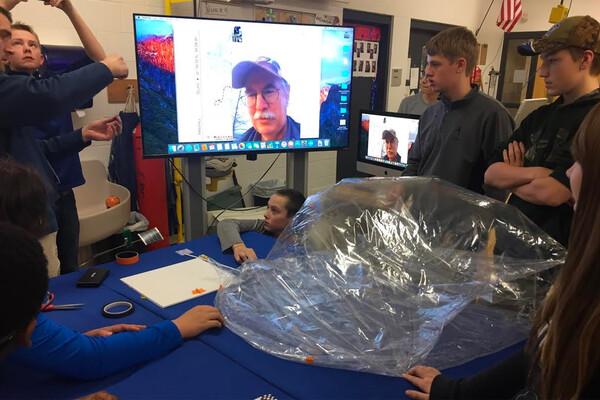
Мужчину с боеприпасами и взрывным устройством задержали в пятницу, 17 февраля, на входе в здание Курского вокзала в Москве.«Мужчина с предметами, похожими на гранаты Ф-1, задержан на входе Курского вокзала», — рассказал источник ТАСС в правоохранительных органах.По словам собеседника агентства, задержанный доставлен в отдел полиции.
kapital.kz,
11 февраля 2023
в 07:16
Фото: cgtn.com Китайский рынок предметов роскоши вырастет до 816 млрд юаней (около 112 млрд долларов) к 2025 году, что составит порядка 25% от общемирового объема, говорится в отчете PwC China, сообщает Интерфакс-Казахстан. Азиатско-Тихоокеанский регион является важным фактором роста мирового рынка люксовых товаров, и Китай является главным потребителем такой продукции в регионе, пишет агентство «Синьхуа» со ссылкой на отчет.
kapital.kz,
10 февраля 2023
в 11:46
Фото: Валерия Змейкова Обзор рынков, подготовленный аналитиками Ассоциации финансистов Казахстана (АФК). Валютный рынокПо итогам валютных торгов в четверг курс по паре USDKZT усилил ревальвационную динамику, снизившись до 452,31 тенге за доллар (-3,31 тенге) впервые с 21 июня 2022 года. При этом укрепление нацвалюты происходит на фоне средней торговой активности – совокупный объем торгов составил 130 млн долларов (-2,4 млн).
ProСпорт,
08 февраля 2023
в 19:20
В операционной системе консолей Xbox обнаружили иконку сервиса Ubisoft+, передает Prosports.kz.В данный момент иконки привязаны к таким проектам, как:— Assassin's Creed Chronicles: China, India & Russia— Assassin's Creed III Remastered, IV Black Flag, Rogue Remastered, The Ezio Collection & Valhalla— Family Feud— Far Cry 3 Classic Edition, 4 & 6— Monopoly Madness & Plus— Rabbids Legends & Party of Legends— Riders Republic— Scott Pilgrim vs the World: The Game — Complete Edition— The Crew 2— Ghost Recon Breakpoint— The Division 2— Trivial Pursuit— Uno— Watch Dogs LegionНапомним, что представители Ubisoft подтвердили появление сервиса на консолях Xbox еще в начале 2022 года, однако компания так и не назвала примерной даты.Подписывайтесь на нас в Instagram — @cybersports_kz
kapital.kz,
06 февраля 2023
в 14:36

tvoe-avto.comАФК «Система» заинтересовалась покупкой простаивающего российского автозавода Volkswagen (ООО «Фольксваген Груп Рус», Калуга), который может перезапустить с помощью казахстанского автопроизводителя Allur с сохранением выпуска на предприятии моделей немецкого концерна, пишет «Коммерсантъ».
Радио "Азаттык",
01 февраля 2023
в 06:53
10 лет назад в Казахстане завершился проект по очистке от ртути реки Нуры в Карагандинской области. Казахстан потратил на это более 100 миллионов долларов, в том числе взятых взаймы у Всемирного банка. Экологи из Казахстана и Чехии, проводившие независимое исследование, взяли пробы воды и почвы в проходившей очистку местности.
Tazabek,
24 января 2023
в 21:14
Tazabek — Так же, как и Китай в 1990-е, Эфиопия вкладывала колоссальные ресурсы в инфраструктуру, развивала промышленность и не торопилась открывать свой рынок иностранным корпорациям. Кроме китайских.Эфиопия – одно из самых древних государств в мире. Последний император Хайле Селлассие, свергнутый в 1974 году, происходил из династии потомков царя Соломона. (Кстати, Хайле Селассие по совместительству считается еще и святым в растафарианской религии.
Tengrinews,
18 января 2023
в 17:13
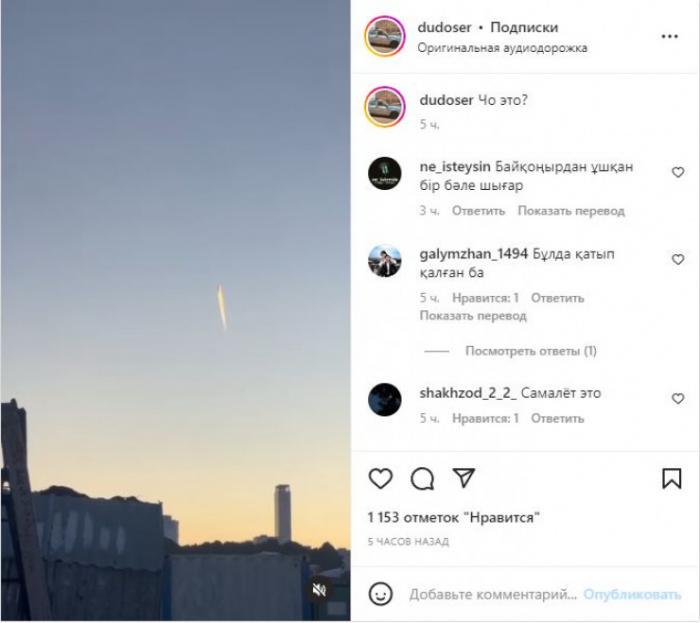
Объект в небе над Астаной вызвал вопросы у жителей города, передает корреспондент Tengrinews.kz. Кадры с объектом в небе появились в соцсетях утром 18 января. Посмотреть эту публикацию в Instagram. Публикация от Астана Сергек 24/7 (@astana_sergek). Некоторые пользователи предположили, что это могла быть запущенная с Байконура ракета.
Tazabek,
16 января 2023
в 12:34
Tazabek — В Кыргызстане запускаются 2 новых регулярных авиарейса из Бишкека в Сиань и Урумчи. Об этом сообщает пресс-служба Государственного агентства гражданской авиации.По данным ведомства, рейс Урумчи—Бишкек—Урумчи доступен с 31 января. Перелеты будут осуществляться каждую неделю по вторникам.Рейс Сиань—Бишкек—Сиань доступен с 11 февраля.
Tazabek,
16 января 2023
в 11:04
Tazabek — Подписан меморандум о строительстве ГЭС на Орто-Токойском водохранилище мощностью 21 МВт. Об этом сообщили в пресс-службе Минэкономики.Меморандум о сотрудничестве был заключен 13 января между Министерством экономики и коммерции, Министерством энергетики, Финансово-кредитным фондом при Министерстве финансов и компанией China National Heavy Machinery Corporation.Справка:China National Heavy Machinery Corporation — была основана в 1980 году и входит в состав государственного конгломерата Sinomach.
Новости Кыргызстана,
14 января 2023
в 15:52
Компания China National Heavy Machinery Corporation построит малую ГЭС на Орто-Токойском водохранилище, сообщает пресс-служба Министерства энергетики Кыргызстана.Мощность новой станции составит 21 Мвт. Меморандум о сотрудничестве между правительством Кыргызстана и китайской компанией подписан 13 января.
Tazabek,
13 января 2023
в 18:44
Tazabek — Счетная палата выявила финансовые нарушения в ГП «Кыргыз темир жолу», мэрии Бишкека и Министерстве транспорта и коммуникаций КР. Как сообщила пресс-служба, речь идет о таки проектах, как проект «Улучшение системы управления твердыми бытовыми отходами в городе Бишкек» и проекты «Строительство альтернативной дороги Север-Юг Фаза 2, участок Арал-Казарман» и «Реконструкция альтернативной дороги Север-Юг Фаза 3, км-159-км183» в Группах реализации Проектов Азиатского Банка развития и Исламского Банка Развития.
ProСпорт,
11 января 2023
в 22:00
Участник европейского коллектива Tundra Esports Мартин Саздов считает, что разработчикам Dota 2 не следовало выделять китайскому региону четыре квоты на мейджоры нового сезона Dota Pro Circuit 2023. Своим мнением киберспортсмен из Македонии поделился в твиттере, сообщает Prosports.kz.China should have 2 slots not 4
kapital.kz,
05 января 2023
в 06:16

pro-dachnikov.comВласти Китая вновь разрешили фондам прямых инвестиций привлекать средства на реализацию проектов в сфере жилой недвижимости, сообщает агентство Bloomberg. По словам источников агентства, Китайская ассоциация управляющих компаний (AMAC) возобновила выдачу фондам разрешений на регистрацию этих инвестиционных продуктов, пишет Интерфакс-Казахстан.