kapital.kz,
12 декабря 2022
в 20:46
Фото: Руслан ПряниковВ секторе «KASE Global» за 01–09 декабря 2022 года было заключено 998 сделок с 8 179 акциями иностранных компаний на общую сумму 267,9 млн тенге, сообщает корреспондент центра деловой информации Kapital.kz со ссылкой на данные Казахстанской фондовой биржи (KASE).Наибольший объем торгов за указанный период пришелся на следующие ценные бумаги: — US30303M1027 (META_KZ) Meta Platforms, Inc. – 63 сделки на общую сумму 31,0 млн тенге; — US67066G1040 (NVDA_KZ) NVIDIA Corp. – 41 сделка на общую сумму 26,0 млн тенге; — US0605051046 (BAC_KZ) Bank of America Corporation –100 сделок на общую сумму 25,7 млн тенге.
Otyrar.KZ,
11 декабря 2022
в 18:55

Жительница Шымкента отмечает качество и на нашу зиму самое то. Гульзира решила порадовать и маму новой норковой шубой и получила хорошую скидку. Постоянная клиентка осталась довольна и обслуживанием в магазине.Гульзира Жаксылык, клиент магазина «Эталон меха»:«Я постоянная клиентка «Эталона меха». Купила сегодня куртку — эту коричневую, она очень красивая и удобная, также мне сделали скидку 20 тысяч тенге.
kapital.kz,
09 декабря 2022
в 19:16
Фото: Руслан ПряниковBereke Bank (ранее ДБ АО Сбербанк) сообщает, что Управление по контролю за иностранными активами (OFAC) министерства финансов США 8 декабря текущего года продлило срок действия лицензии для возможности завершения сделки с участием банка до 31 марта 2023 года. «В настоящее время банком совместно с регулятором в лице АРРФР и акционером в лице Национального управляющего холдинга «Байтерек» ведутся работы по выводу банка из санкционного списка SDN в плановом режиме», — говорится в сообщении пресс-службы банка.
Новости Кыргызстана,
09 декабря 2022
в 14:52

В кыргызской службе «Радио Свободная Европа/Радио Свобода» («Азаттык Медиа») сменился руководитель. Вместо Айзады Касмалиевой назначили Бакыта Асанова. Об этом сообщили в самом «Азаттыке».Айзада Касмалиева возглавляла «Азаттык» с 2017 года. Отмечается, что после ухода с поста главы она продолжит работу в офисе «Радио Свобода» Праге.Бакыт Асанов работает в «Азаттыке» с 2011 года.
kapital.kz,
09 декабря 2022
в 09:56
Под председательством премьер-министра Республики Казахстан Алихана Смаилова состоялось очередное заседание совета директоров АО «НК «KAZAKH INVEST», передает пресс-служба главы правительства. На заседании был рассмотрен План мероприятий на 2023 – 2027 годы, проект Кодекса корпоративного управления, а также некоторые вопросы служб, подотчетных совету директоров.В текущем году при поддержке «KAZAKH INVEST» ожидается ввод в эксплуатацию 45 проектов с иностранным участием на общую сумму 4,1 млрд долларов.В рамках сервисной поддержки инвесторов национальной компанией было обработано 1952 обращения и даны консультации по визовым вопросам, инвестиционным преференциям и законодательству, касательно деятельности инвесторов.По итогам 11 месяцев текущего года для иностранных компаний организовано 212 визитов в регионы Казахстана, в рамках которых проведены встречи с профильными министерствами, акиматами, квазигосударственным сектором, финансовыми институтами развития, а также с местными предпринимателями.Также было организовано и проведено 13 крупных инвестиционных мероприятий.
Tengrinews,
09 декабря 2022
в 09:13

Теперь в приложении Halyk Homebank можно выпустить виртуальную карту Janarmai и покупать дизельное топливо по льготной цене, не предъявляя водительское удостоверение и/или свидетельство о регистрации транспортного средства. Данный модуль реализован благодаря проведенной интеграции информационных систем Halyk Bank, Министерства энергетики РК, МЦРИАП РК, АО «Национальные информационные технологии», МВД РК и Государственного кредитного бюро в рамках пилотного проекта по льготной покупке дизельного топлива, на которое установлено государственное регулирование цен.
kapital.kz,
09 декабря 2022
в 09:06
Фото: Оспан АлиСегодня в Астане стартовали вторичные торги акциями национальной компании «КазМунайГаз» на бирже Международного финансового центра «Астана» (AIX) и Казахстанской фондовой бирже (KASE), сообщает корреспондент центра деловой информации Kapital.kz.По словам председателя правления фонда «Самрук-Казына» Алмасадама Саткалиева, участие в IPO брокеров от коммерческих банков позволило использовать платформы финансовых институтов для покупки акций гражданами Казахстана.
Tengrinews,
08 декабря 2022
в 19:03
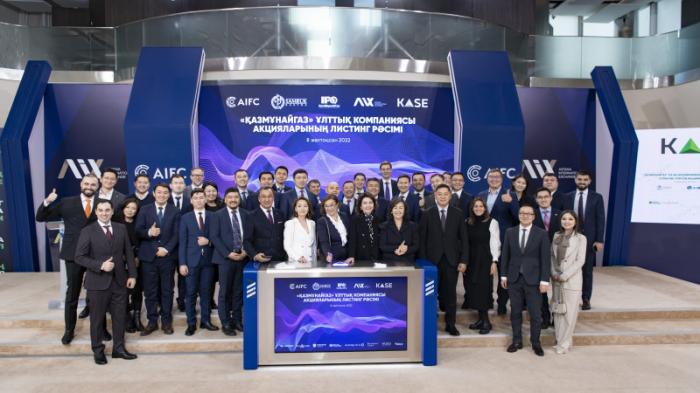
8 декабря в Астане состоялось официальное открытие вторичных торгов акциями АО «НК «КазМунайГаз». Продажа акций доступна на бирже Международного финансового центра «Астана» и на Казахстанской фондовой бирже KASE. В мероприятии принял участие премьер-министр Казахстана Алихан Смаилов. «Уважаемые соотечественники, уважаемые участники торжественной церемонии, в соответствии с поставленными Главой государства Касым-Жомартом Токаевым задачами продолжается комплексная реализация реформы по дальнейшему разгосударствлению экономики.
Костанайские Новости,
08 декабря 2022
в 17:11
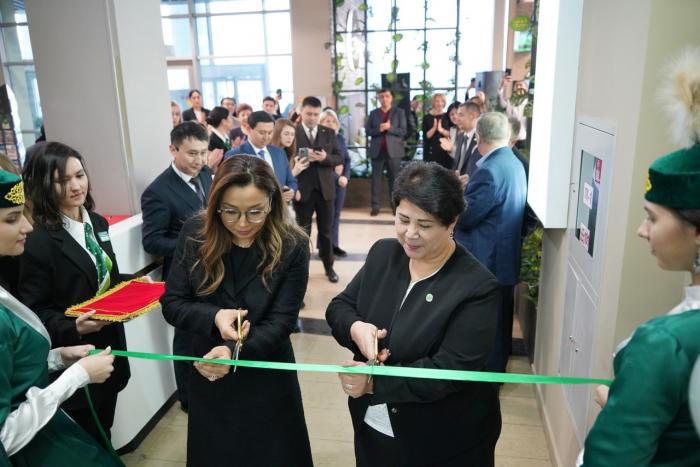
В Костанае начал работу филиал Freedom Bank. Практически все услуги банка, начиная с открытия счета и заканчивая оформлением ипотеки, можно получить онлайн на сайте. Регистрация предельно проста и требует лишь вашего ИИН и номера телефона. Благодаря интеграции с базами госорганов, система банка автоматически проверит вашу личность.
Tengrinews,
08 декабря 2022
в 12:13

Финансовая поддержка Bank RBK помогла североказахстанскому производителю мяса и мясных продуктов ТОО EMC Agro нарастить объемы производства и расширить ассортимент экологически чистой продукции. Базируется ТОО EMC Agro в городе Тайынша Северо-Казахстанской области. На расположенном там животноводческом комплексе компания выращивает свиней, занимается переработкой мяса, производством колбас и мясных деликатесов.
kapital.kz,
08 декабря 2022
в 11:16
afk.kz Обзор рынков, подготовленный аналитиками Ассоциации финансистов Казахстана (АФК). Валютный рынокНа казахстанском валютном рынке отмечается небольшое преобладание спроса на инвалюту четвертую сессию подряд, что во многом обусловлено серьезной коррекцией цен на рынке энергоносителей. По итогам торгов среды на KASE пара USDKZT закрылась на отметке 473,51 тенге за доллар (+1,51 тенге) по средневзвешенному значению.
kapital.kz,
08 декабря 2022
в 06:16
gobankingrates.comАмериканский банк Morgan Stanley планирует уволить примерно 1,6 тыс. человек, или порядка 2% общего штата, из-за опасений рецессии в США, сообщает агентство Bloomberg со ссылкой на информированные источники. На конец третьего квартала в банке работали свыше 80 тыс. человек по сравнению с примерно 60 тыс. до начала пандемии коронавируса, пишет Интерфакс-Казахстан.
kapital.kz,
07 декабря 2022
в 17:06
Фото: Валерия ЗмейковаВ Казахстане предлагают перезапустить программу «7-20-25» после ее завершения. При этом максимальный срок ипотечного кредитования по ней нужно продлить до 35 лет, считает председатель президиума Союза строителей Казахстана Талгат Ергалиев, передает центр деловой информации Kapital.kz.«Наша пресс-конференция направлена на то, чтобы мы обеспечили нуждающихся жильем.
kapital.kz,
07 декабря 2022
в 16:06

Ежедневно, совершая стандартные операции в мобильном или интернет-банкинге, бизнес-клиенты Jusan участвуют в розыгрыше смартфонов и минивэна. Акция стартовала 14 ноября и завершится 8 января 2023 года. В этот период бизнес-клиентам необходимо совершить одно или несколько действий в системе интернет-банкинга JusanBusiness: — перевести или оплатить с текущего счета в тенге и/или в иностранной валюте в пользу третьих лиц; — перевести или оплатить с карточного счета (перевод/платеж с использованием корпоративной карты, карты ИП) в пользу третьих лиц; — подключить «Собери свой пакет» (с оплатой комиссии за подключение данной услуги); — принять платеж в рамках продукта Tole через POS-терминал или QR-код в мобильной версии Tole; — получить онлайн-кредит.Акция распространяется лишь на операции, совершенные через онлайн-платформу, и в ней участвуют как действующие клиенты, так и новые.По итогам первого розыгрыша 30 ноября уже 14 предпринимателей из Алматинской, Актюбинской, Мангистауской, Восточно-Казахстанской, Северо-Казахстанской областей и городов Караганды, Темиртау, Семея, Атырау и Астаны стали обладателями iPhone последней модели. «Все регионы участвуют активно, это радует.
kapital.kz,
07 декабря 2022
в 14:26
Внеочередное Общее собрание акционеров (ОСА) Jusan Bank, назначенное на 5 декабря, а также повторное внеочередное ОСА, назначенное на 6 декабря, признаны несостоявшимися по причине отсутствия кворума. Об этом стало известно из документа, опубликованного банком на сайте Казахстанской фондовой биржи (KASE) 7 декабря, передает корреспондент центра деловой информации Kapital.kz.Вместе с тем на повестке дня ОСА должен был стоять вопрос о принятии решения о выплате дивидендов по итогам 2021 года в размере 172 млрд тенге из нераспределенного чистого дохода прошлых лет.
kapital.kz,
07 декабря 2022
в 12:26
afk.kz Обзор рынков, подготовленный аналитиками Ассоциации финансистов Казахстана (АФК). Валютный рынокПо итогам торгов вторника курс по паре USDKZT закрылся на уровне 472,0 тенге за доллар (+2,74 тенге). При этом объем торгов находился на уровне среднесуточных значений с начала года – 122,8 млн долларов (+11,7 млн).