Sports.kz,
05 мая 2024
в 15:29
Грузинский боец легчайшего дивизиона (до 61 кг) UFC Мераб Двалишвили заявил, что проведёт бой с действующим обладателем чемпионского титула в легчайшем дивизионе американцем Шоном О’Мэлли на турнире UFC 306, который пройдет 14 сентября на арене «Сфера» в Лас-Вегасе стоимостью $ 2,3 миллиарда, передает Sports.kz со ссылкой на Championat.com.Мераб Двалишвили сейчас находится с визитом в Индии.
kapital.kz,
11 марта 2024
в 07:36
Правительство Индии утвердило программу развития национальной инфраструктуры ИИ. На эти цели будет выделено в общей сложности около 1,24 млрд долларов, пишет The Register. Одним из ключевых проектов в рамках этой инициативы является создание мощного суверенного суперкомпьютера для ИИ-задач и обработки больших языковых моделей (LLM).Как сообщает Servernews.ru, в состав новой НРС-системы войдут как минимум 10 тыс. ускорителей на базе GPU.
EKaraganda.kz,
26 января 2024
в 10:25
Вакцину, которой в Карагандинской области прививают от кори, санврачи называют проверенной и надежной. Это, уточнил Юрий Залыгин, комбинированная вакцина против кори, краснухи и паротита, производства Serum Institute of India.«То есть, мы одной вакциной защищаемся сразу от трех заболеваний. Она применяется в Казахстане более 10 лет для плановой вакцинации в рамках Национального календаря вакцинации детей от одного года и шести лет, и доказала свою эффективность как в нашей стране, так и в мире.
Tazabek,
20 января 2024
в 14:24
Tazabek — Делегация Евразийской экономической комиссии во главе с заместителем директора Департамента промышленной политики Николаем Рогожником приняла участие в международной выставке и конференции технологий и инфраструктуры «Smart Cities India Expo» в Нью-Дели (Республика Индия). Об этом сообщается на сайте ЕЭК.«Индия является одним из стратегических партнеров Евразийского экономического союза в Южной Азии.
Arna Press,
28 ноября 2023
в 15:28
Казахстанцы в соцсетях встречают сообщение о том, что детям принудительно ставят некий китайский препарат от кори, передает Arnapress.kz со ссылкой на Stopfake.kz.Автор предполагает, что это может быть вакцина, оставшаяся после вакцинации от коронавируса. Но сообщение официально опровергли в Министерстве здравоохранения РК.«В соответствии с пунктом 4 статьи 85 Кодекса Республики Казахстан «О здоровье народа и системе здравоохранения» физические лица, постоянно находящиеся на территории Республики Казахстан, обязаны получать обязательные профилактические прививки против инфекционных и паразитарных заболеваний.
Arna Press,
23 ноября 2023
в 09:58
Для проведения дополнительной массовой иммунизации 23 ноября в Алматы прибыла партия вакцины против кори, краснухи и паротита в количестве 500 тысяч доз (КПП), передает Arnapress.kz со ссылкой на пресс-службу Минздрава РК.Министерство проработало закуп дополнительного объема вакцины для иммунизации населения.
Tengrinews,
23 ноября 2023
в 09:53
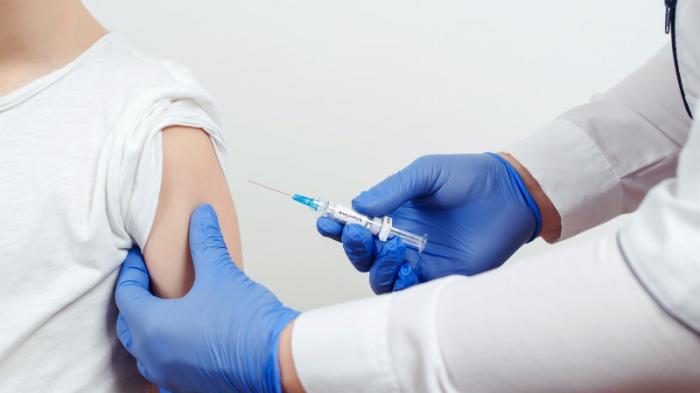
В Алматы прибыла партия вакцины против кори, краснухи и паротита (ККП) в количестве 500 тысяч доз для проведения дополнительной массовой иммунизации, сообщили в Министерстве здравоохранения, передает Tengrinews.kz. В ведомстве напомнили, что в Казахстане для стабилизации эпидемиологической ситуации по заболеваемости корью приняты меры срочного реагирования.
Газета.ru,
18 ноября 2023
в 18:16
Тела двух граждан России обнаружены в долине реки Парвати в районе населенного пункта Маникаран на севере Индии, сообщила газета Times of India со ссылкой на местную полицию. Погибшие – 37-летний Максим Белецкий и 21-летняя Анна Ранцева, они были найдены обнаженными в районе горячего источника. По данным India TV, тело девушки находилось в самом источнике, тело мужчины – возле него.
kapital.kz,
10 ноября 2023
в 07:06
thewaltdisneycompany.com Американская Walt Disney Co., крупнейшая в мире компания в сфере развлечений и медиа, увеличила чистую прибыль в четвертом финансовом квартале в 1,6 раза, выручку — на 5%, сообщает Интерфакс-Казахстан. Как говорится в пресс-релизе Disney, чистая прибыль по итогам финквартала, завершившегося 30 сентября, составила 264 млн долларов, или 0,14 доллара в расчете на акцию, по сравнению со 162 млн долларов, или 0,09 доллара на акцию, за четвертый квартал предыдущего фингода.